Pages

Wednesday, 26 August 2015

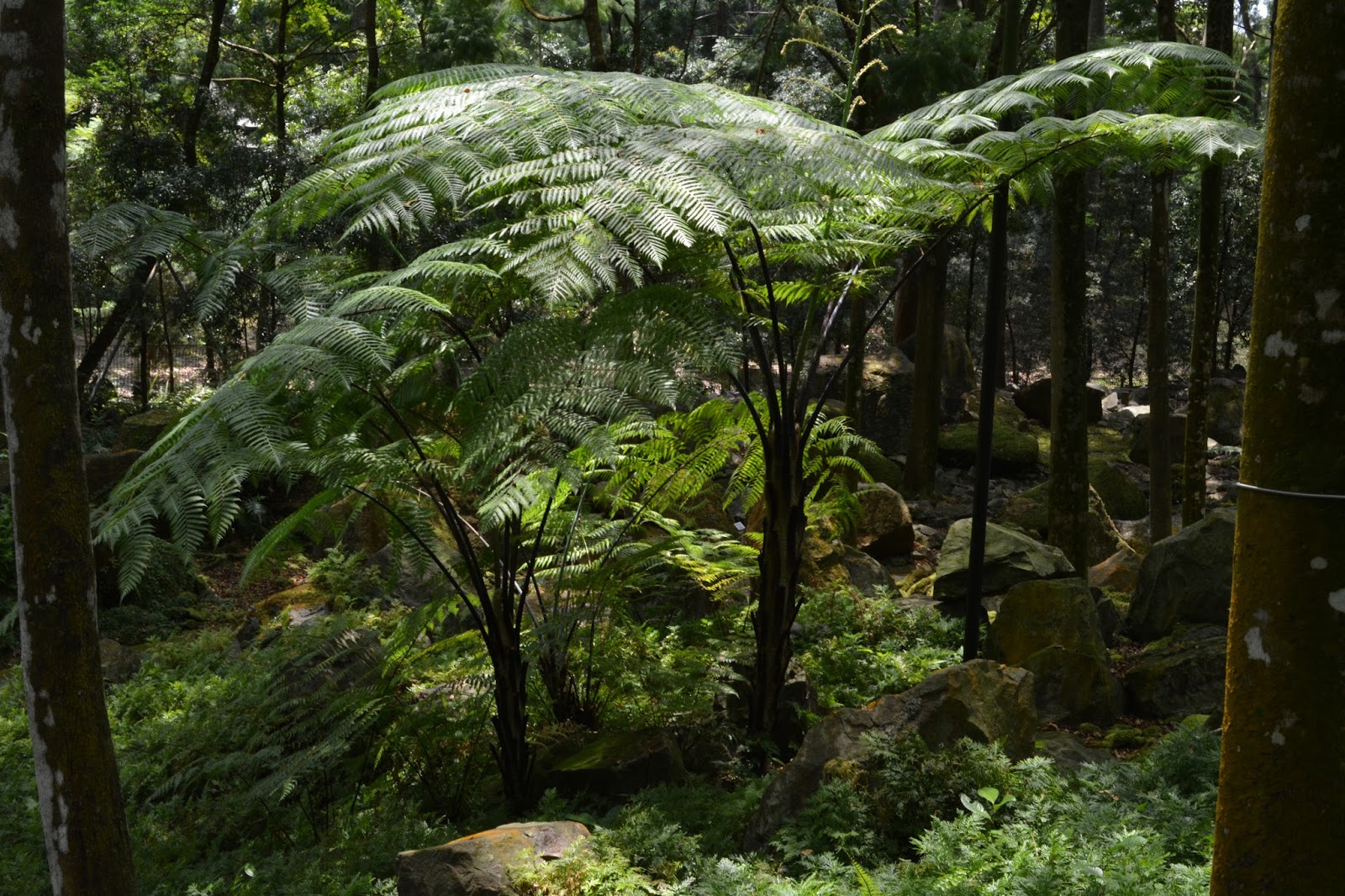
Series of picture posts, Singapore Botanic Gardens 2015, post (2) Evoloution Garden By David Keegan

Singapore Botanic Gardens 
The Botanic Gardens in Singapore was founded at its present site in 1859 by the an agri-horticultural society with Lawrence Niven appointed as superintendent and landscape designer to turn what were essentially overgrown plantations and a tangle of virgin rain-forest into a public park. The layout of the Gardens as it is today is largely based on Niven's design. The Agri Horticultural Society, however, ran out of funds and, in 1874, the colonial government took over the management of the Gardens. It is also the only Botanic garden in the world to be honoured as a UNESCO World Heritage Site.


(Post 2)
Evolution Garden


This post its contents and pictures is the copyrighted property of David Keegan 2015 ©
All pictures taken large format 320 DPI Picture quality is reduced to preserve copyrights

Tuesday, 25 August 2015

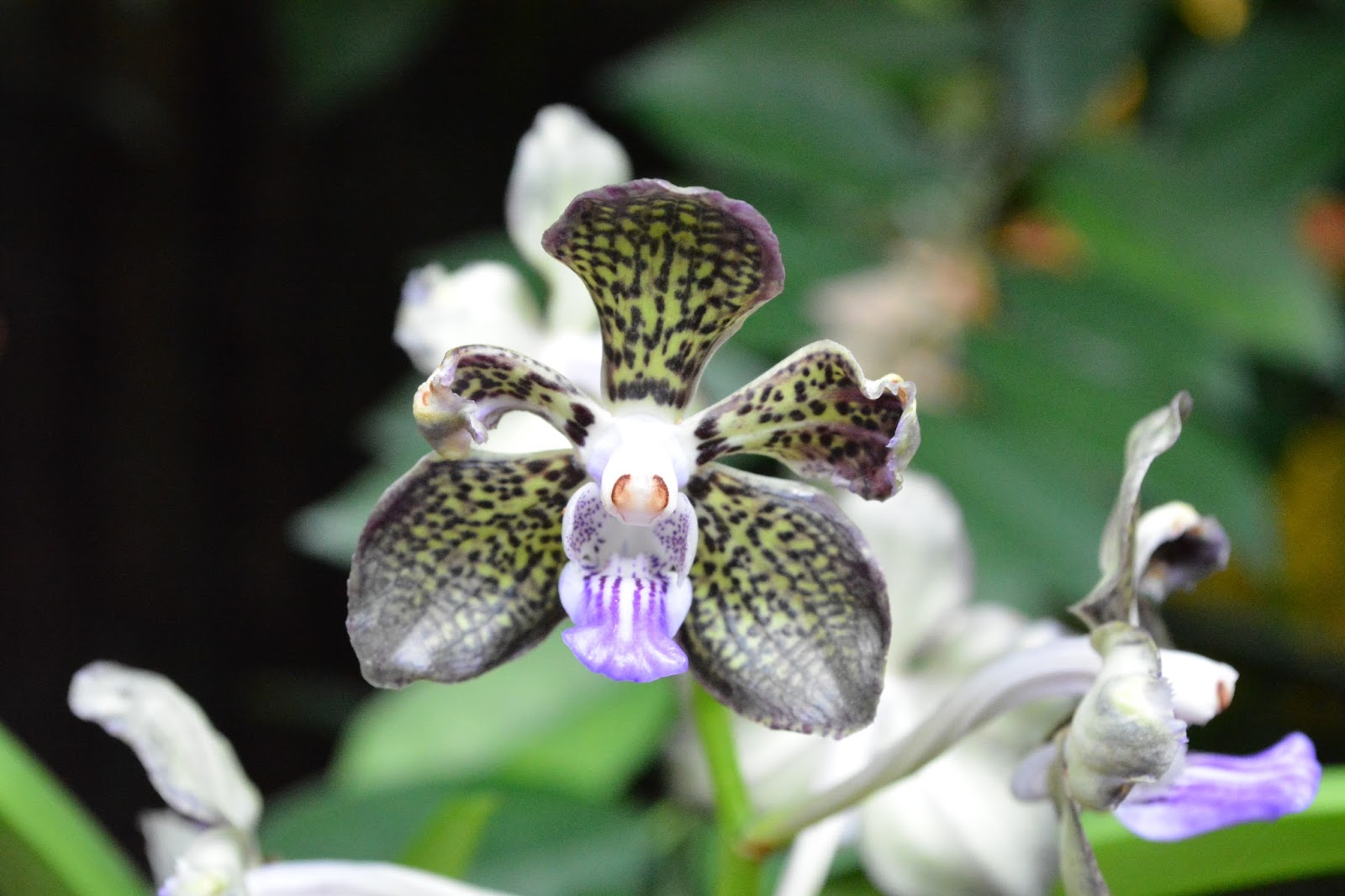
Series of picture posts, Singapore Botanic Gardens 2015, post (1) Orchids By David Keegan

Singapore Botanic Gardens 
The Botanic Gardens in Singapore was founded at its present site in 1859 by the an agri-horticultural society with Lawrence Niven appointed as superintendent and landscape designer to turn what were essentially overgrown plantations and a tangle of virgin rain-forest into a public park. The layout of the Gardens as it is today is largely based on Niven's design. The Agri Horticultural Society, however, ran out of funds and, in 1874, the colonial government took over the management of the Gardens. It is also the only Botanic garden in the world to be honoured as a UNESCO World Heritage Site.

(Post 1)
Orchids
The National Orchid Garden, within the main UNESCO World Heritage Listed  gardens, is at the forefront of orchid studies and a pioneer in the cultivation of hybrids, complementing the nation's status as a major exporter of cut orchids. Aided by the equatorial climate, it houses the largest orchid collection of 1,200 species and 2,000 hybrids.


This post its contents and pictures is the copyrighted property of David Keegan 2015 ©
All pictures taken large format 320 DPI Picture quality is reduced to preserve copyrights

Sunday, 23 August 2015

Picture post part (9) Iconic Kuala Lumpur, Malaysia, by David Keegan

Iconic Kuala Lumpur


Petronas Towers


The towers must stand as the highlight of any visit to Kuala Lumpur.
Opened for use as offices Jan 1997 Officially opened 31 Aug 1999

The towers standing at 88 floors is the Iconic heart of KL Malaysia. There is a sky bridge joining the 2 tower pitched at the 41st floor. It is 58.4m long and the destination for most tourist visitors. Dramatic in the daytime the towers take on almost fairy-tale like and magical aura when light up against the night sky. Each pinnacle features a spire with 23 segments, and a ring ball comprised of 14 rings of varying diameters. The towers themselves top out at an impressive height of 451.9 meters. Although based on Islamic design the towers viewed from certain angles are reminiscent of a Sci-fi movie set, Wow!


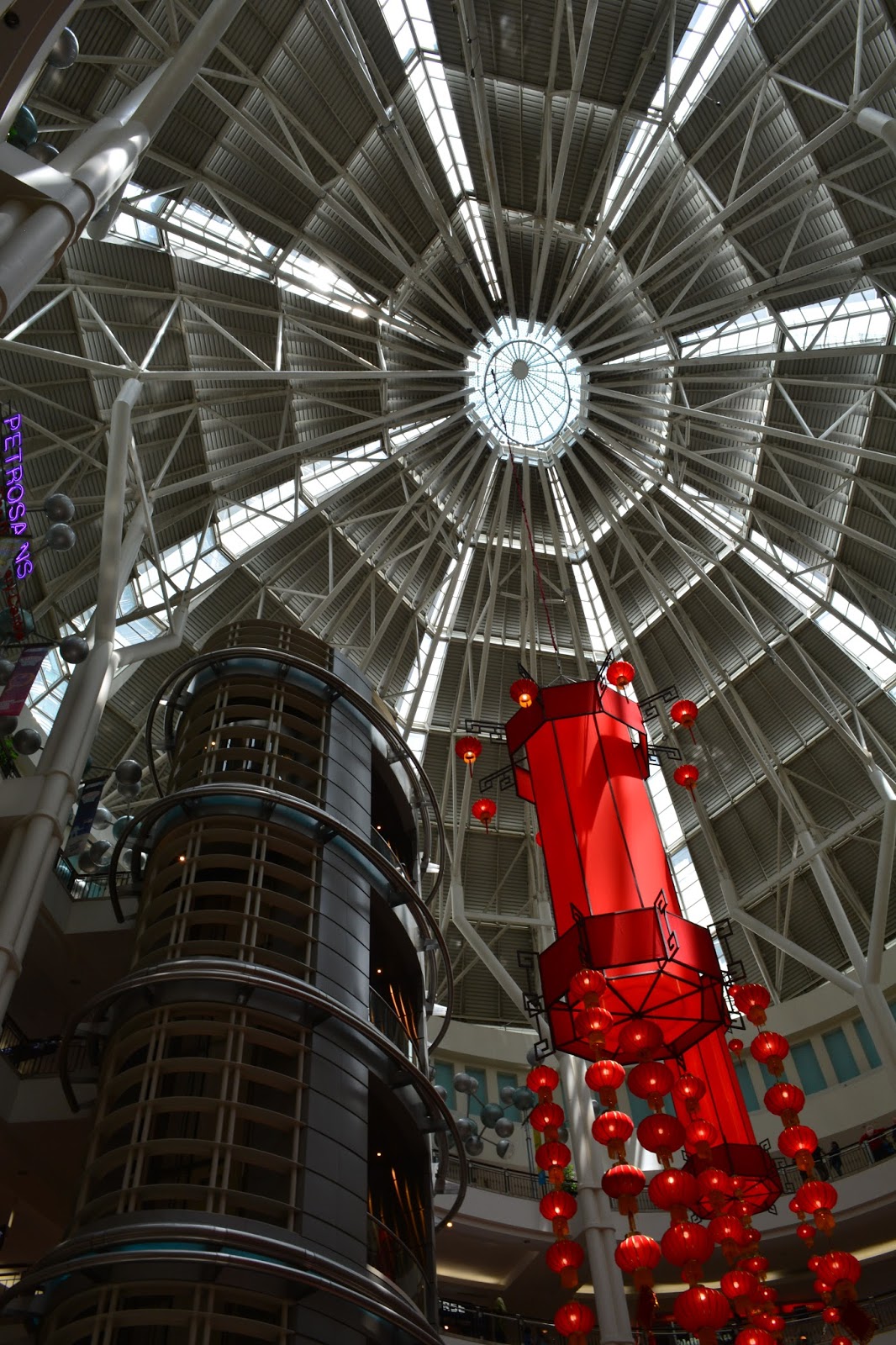
Suria KL shopping centre

 An imposing six-storey building at the foot of the Petronas Twin Towers 


The Kuala Lumpur Tower

Completed on 1 March 1995. It is used for communication purposes and features an antenna that reaches 421 meters (1,381 feet) and is the 7th tallest freestanding tower in the world. The roof of the pod is at 335 meters (1,099 feet). The rest of the tower below has a stairwell and an elevator to reach the upper area, which also contains a revolving restaurant, providing diners with a panoramic view of the city.


This post its contents and pictures is the copyrighted property of David Keegan 2015 ©
All pictures taken large format 320 DPI Picture quality is reduced to preserve copyrights


Sunday, 16 August 2015

Picture post part (8) Botanical Gardens, Penang, Malaysia, by David Keegan

Botanic Gardens Penang Malaysia

No visit to Penang Island is complete without a visit to the Botanic gardens. Once known as the waterfall gardens and situated at the end of waterfall road, apt, no longer so as it is not possible to visit the waterfall anymore which is now controlled by the water utilities company with access for the public prohibited. The gardens are none the less well worth a visit, although I would strongly advise an umbrella for shade from the relentless power of the sun, and plenty of water to hydrate, its hot and humid, in fact very hot and very humid. Penang Botanic gardens was created in 1884 by Nathaniel Cantley, Superintendent of the Singapore Botanic Gardens along with Charles Curtis whom he appointed as his assistant Superintendent. Curtis would go on to become Superintendent and is largely responsible for the gardens transformation from granite quarry to the gardens we see today. Macaque monkey is a common sight in the gardens, but be warned they should be approached with caution as they can be quite aggressive. Rule of thumb never feed them. If you are fortunate enough you may also spot the Dusky Leaf Monkey, you need to look high into the tree canopy where they tend to spend all their time unlike the ground loving Macaque.  Another spectacular sight is the Cannonball tree especially when the flowers are open. This is not however a native tree but originates from South America.  Monkeys can often be seen feasting on the flowers and fruits.


The elusive Dusky Tree Monkey


This post its contents and pictures is the copyrighted property of David Keegan 2015 ©
All pictures taken large format 320 DPI Picture quality is reduced to preserve copyrights